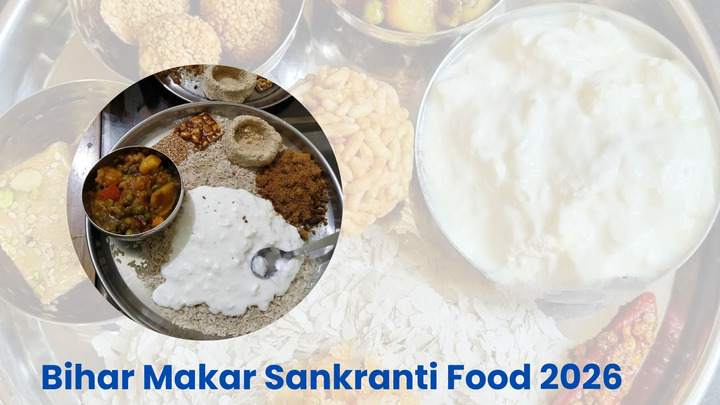
In Bihar, Makar Sankranti will be celebrated on January 14th and 15th, 2026, starting with curd and flattened rice, tilkut (sesame seed sweets), and lai (puffed rice sweets), and ending with khichdi (a rice and lentil dish) in the evening. Makar Sankranti Festival also known as one of India’s most popular festivals celebrated with great excitement and delight in India. The festival means many things to different people throughout the various states of Bihar as a part of their culture and traditions; Makar Sankranti means much more than just flying kites! The joy of cooking traditional Makar Sankranti foods brings families together at mealtime. Foods prepared at this time of the year include til (sesame), gur (jaggery), ghee to cook with and eat with dahi (curd) and rice – the scents and flavours from these foods can be smelled from miles away as families unite during the Makar Sankranti celebration. The Harvest Festival of Makar Sankranti will be celebrated again in 2026, and the kitchens in Bihar will once again be filled with the fragrance of shredded, toasted sesame seeds (til), jaggery (guru), and the fresh produce from the harvest season will be plentiful in the state of Bihar.
Dahi-Chura – A Traditional Breakfast Dish
The dish is one of the most well-known Makar Sankranti foods prepared in Bihar – it is known as the classic breakfast dish of Dahi-Chura. This dish consists of chura (flattened rice) mixed with dahi (curds) and gur/jaggery. This dish provides nourishment, but also has special meanings for people, and represents more than just nourishment. The curds provide nourishment, while the chura represents the grains of the harvest, and the gur/jaggery represents warmth and good luck during the winter months. Many families enjoy Dahi-Chura as their first meal of the day on Makar Sankranti; this way, they can begin the day with the energy needed to enjoy all of the festivities that will follow later in the day.
Tilkut – Something Sweet to Celebrate in Bihar
Bihar’s Makar Sankranti celebration is not complete without a traditional treat known as Tilkut, made with sesame seeds (til) and either gur (jaggery) or sugar. For over 100 years, residents of Gaya, Bihar have enjoyed the seasonal sweetness of Tilkut every winter. The combination of til and gur not only provides warmth and energy on cold, winter days, but it is also a delicious treat.
Khichdi: The Heart of the Makar Sankranti Feast
Khichdi is perhaps the favourite festive dish for the Makar Sankranti celebration. Khichdi is a wholesome one-dish meal comprised of rice, lentils (dal), and mild spices. The rice and lentils are cooked together and flavoured with ghee and cumin seeds. The Khichdi of Bihar goes beyond the definition of food to become a part of the tradition of Biharis. It is eaten as the main meal after performing the morning rituals, and some households prepare khichdi to Offer as prasad. Khichdi can be made from just plain rice and lentils or added vegetables, depending on the time of year, for a different taste. A generous helping of ghee may also be placed on top, signifying both richness and groundedness, and represents prosperity and unity in simplicity.
Til & Gur Sweet Treats: Laddoos and Lai
Til tunes to the taste buds as the festive favourite of many families during Makar Sankranti. Apart from tilkut, til ke laddoos, round sweet treats of roasted sesame seeds and jaggery, are also a highlight for many families. Another type of laddoo that some families prepare is lai laddoo; the appulance of puffed rice and jaggery deliciously combines with peanuts, for a crunchy, sweet treat. Although these sweetmeats are delicious, they also boast nutritional values: sesame seeds provide calcium and iron, and jaggery helps improve the digestion process. The sweetmeats of this event are not only a fun way to show love to those you care for, but they convey a strong sense of warmth and good health that all Biharis extend to one another at the time of Sankranti.
Seasonal Delicacies: Chura Matar & Dal Pitha
The Makar Sankranti table in Bihar may include some of the newer traditional dishes. One of these, known as Chura Matar, is flattened rice (called chura) and green peas (called matar). The two ingredients are combined together and cooked with spices, and the churamater makes a wonderful savoury partner to many of the sweet festive items. Dal Pitha is a traditional dish made from either rice or wheat flour dough that is stuffed with a mixture of cooked, spiced chana dal.
Pakodas & Accompaniments
Makar Sankranti is a major holiday for many families in Bihar in 2026. Most people will prepare pakodas (gram flour fritters) using seasonal vegetables such as potatoes, cauliflower, and capsicum. These crunchy snacks go perfectly with khichdi and chutneys and help to complete the festive food experience.
A Feast of Tradition and Togetherness
For Biharis, Makar Sankranti in 2026 is more than simply an entry in a calendar; it is an occasion to celebrate the blessings of harvest, the strength of family relationships, and the heritage of the region through food. The first meal of the day is dahi chura (yogurt with rice), which signifies new beginnings
The most popular Makar Sankranti foods in Bihar include Dahi-Chura, Khichdi, Tilkut, Til ke Laddoo, Lai, and Chura Matar. These dishes are prepared using seasonal ingredients like rice, lentils, sesame seeds, and jaggery, symbolizing harvest, prosperity, and warmth during winter.
Dahi-Chura is considered auspicious and nutritious. It represents simplicity and abundance, as it is made from freshly harvested rice (chura) and curd. The addition of jaggery adds sweetness and is believed to bring good luck and positive energy for the year ahead.
Tilkut is a traditional sweet made from sesame seeds and jaggery or sugar, especially famous in Gaya, Bihar. It is eaten during Makar Sankranti because sesame seeds provide warmth and energy, helping the body stay healthy in the winter season.
Yes, Khichdi is a key festive dish in Bihar during Makar Sankranti. It is prepared using rice and lentils and served with ghee, vegetables, and chutneys. Many families also offer khichdi as prasad, making it an important part of the festival meal.
Yes, most Makar Sankranti foods in Bihar are highly nutritious. Ingredients like sesame seeds, jaggery, lentils, rice, and curd are rich in energy, calcium, iron, and probiotics, making these dishes ideal for maintaining health during the cold winter months.